

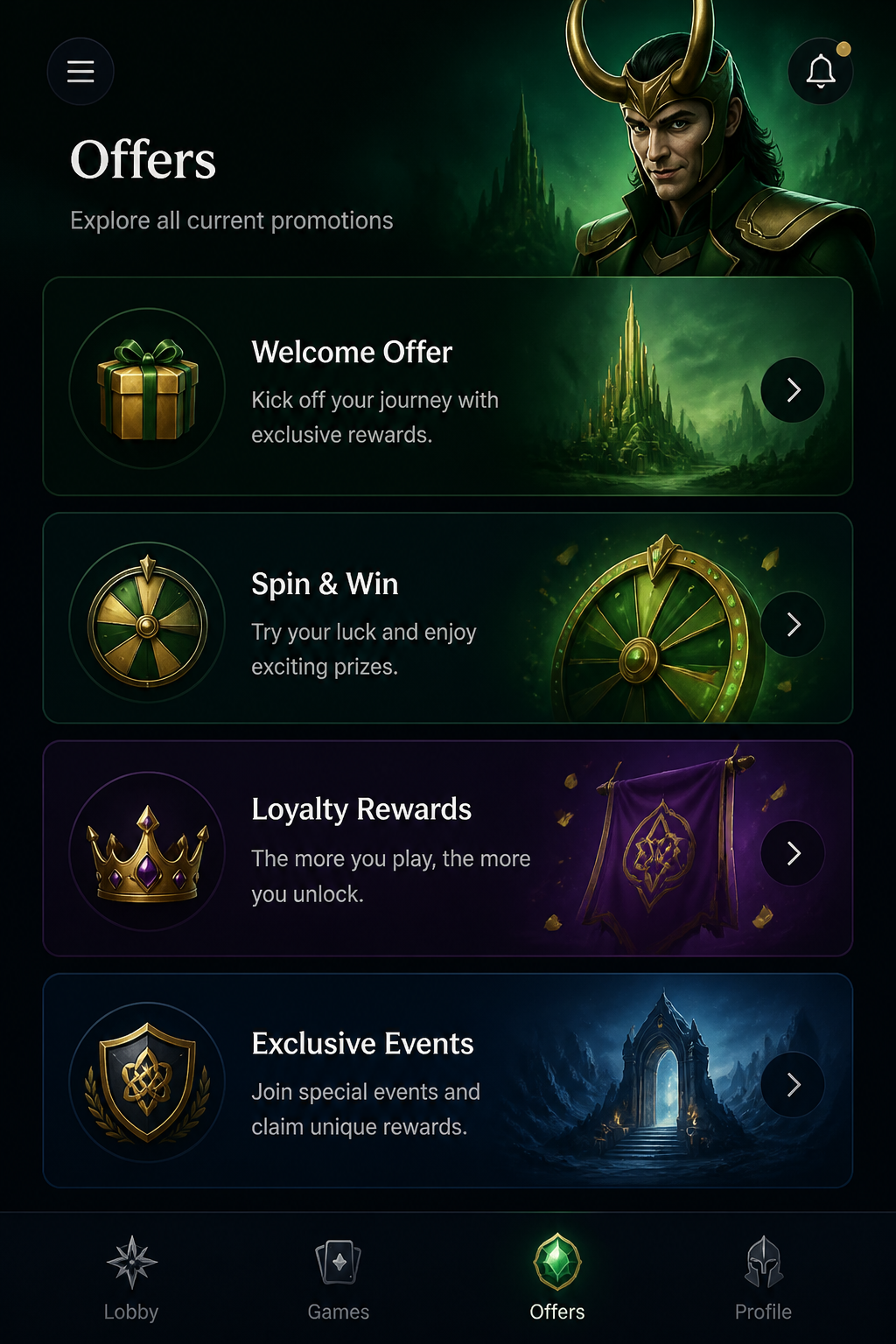
Loki's supplied profile describes a mobile version and names Android and iOS. Earlier information associated the mobile offering with a browser-based installation rather than an independently established native store listing. The distinction is significant because the word app can refer to several different ways of delivering an interface. A mobile website, a home-screen web app and a native application do not necessarily share the same update mechanism or security model.
This overview considers the mobile environment as a place where information, game displays and financial records may be presented. It does not establish that a particular device has been tested or that all advertised services are available in every market. A phone can load a public page even when the account terms prohibit participation from a particular territory. The use of a mobile platform does not alter those terms.
| Interface delivery | Mobile web and browser-based installation |
| Common Android browsers | Chrome, Firefox, Samsung Internet |
| Common iOS browsers | Safari and Chrome |
| Media types | Reel graphics, table interfaces and live streams |
| Financial screens | Account records, currency labels and transaction status |
| Device considerations | Permissions, saved sessions, notifications and accessibility |
The delivery mechanism behind the icon
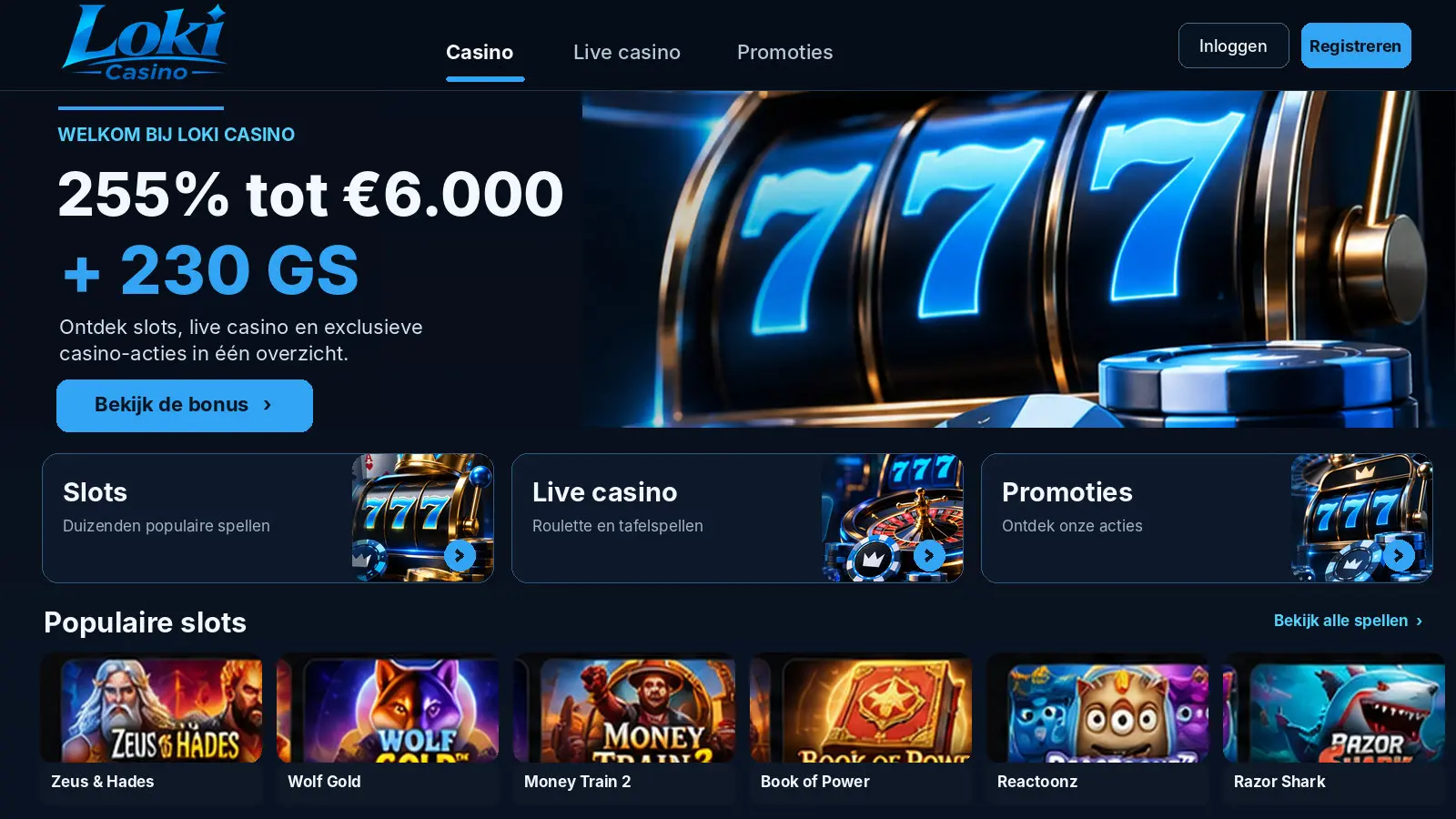
Home-screen icons are often associated with applications installed through a store, but a web page can also be represented by a shortcut. Some web apps can appear in a separate window and use browser facilities to store interface resources. Their appearance may make them difficult to distinguish from native products during ordinary use. The origin of the software and the way it is delivered are more important than the superficial resemblance of the icons.
A native package can contain resources that are installed on the device, whereas a web-delivered interface can obtain many of its resources when a page is opened. Updates to the underlying website may therefore affect the displayed interface without a separate installation event. This distinction also influences how cached information is managed. The supplied operating system labels do not establish a particular package version, store listing or minimum supported system release for Loki.
Android device variation
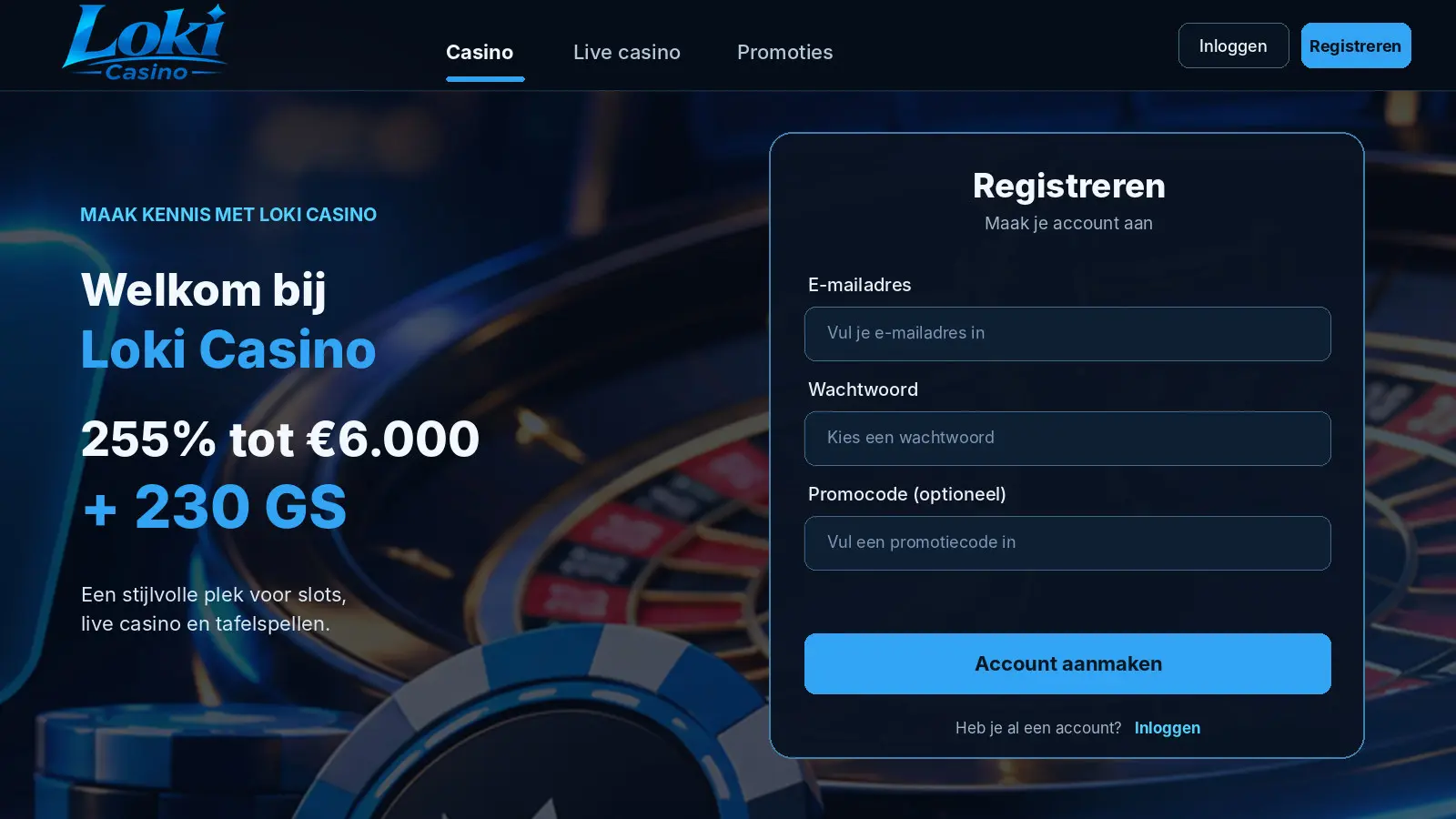
Android is an operating system used across devices with substantially different memory capacity, display resolution and software configurations. Chrome, Firefox and Samsung Internet are familiar browser examples within that environment. Their treatment of storage, media playback and site permissions can differ. A feature supported by a recent browser release may behave differently in an older embedded web view. These are general characteristics of the ecosystem, rather than results of compatibility tests of the casino.
For example, an older phone may struggle with complex visual effects while still displaying a basic information page. A newer device might render graphics smoothly but block an external window because of its browser settings. Neither observation establishes the success or failure of a financial operation. A problem with layout, a network interruption and an account-side restriction are different events. Diagnosing them requires different information rather than a single label such as mobile incompatibility.
iPhone and background behaviour
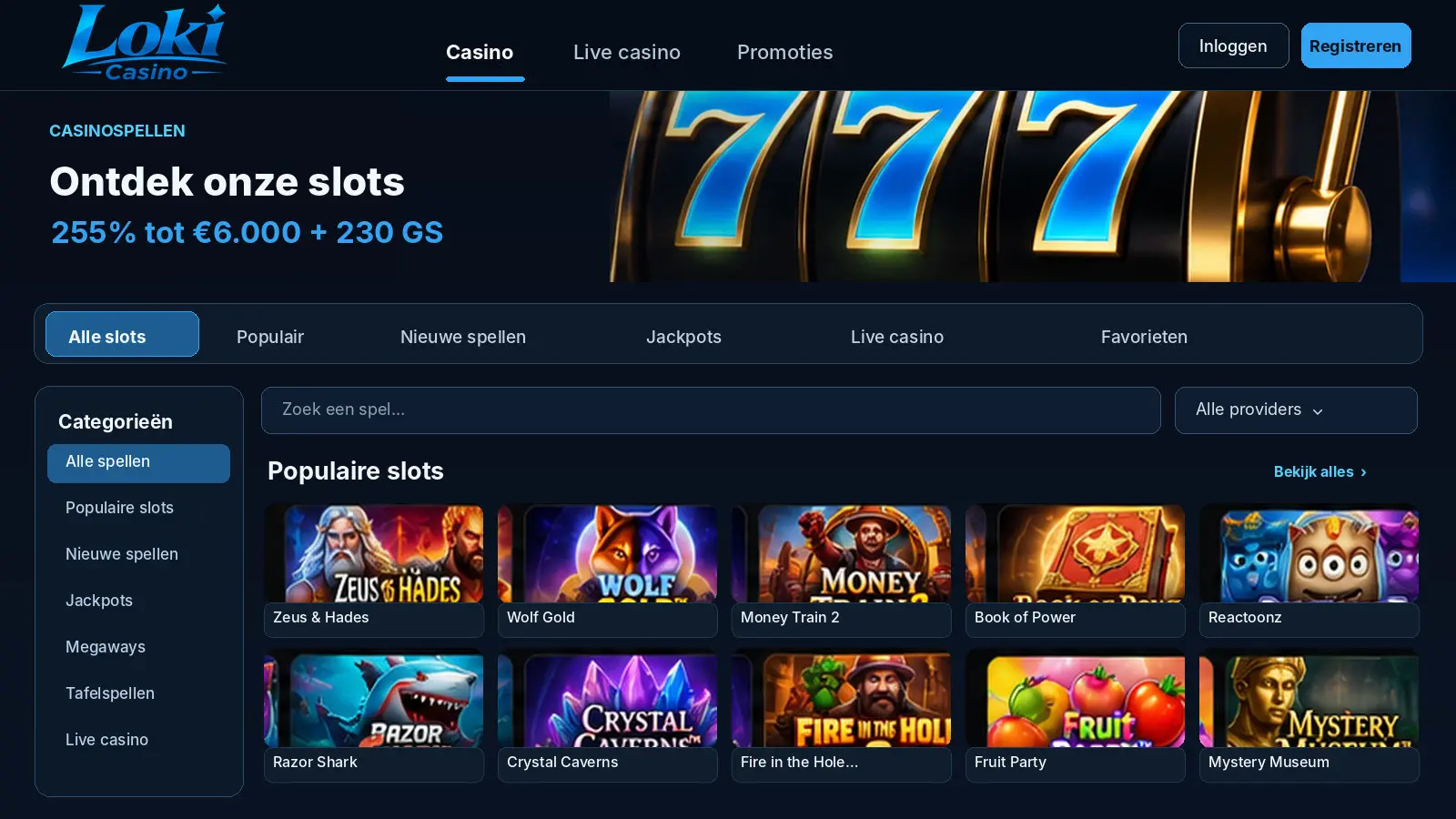
Safari and Chrome are familiar browser choices for iOS users. The operating system may suspend a browser tab while the user switches to another application, answers a call or opens a payment notification. When the tab becomes active again, the page can retain some visual information or reload its content. This behaviour means that a displayed amount is not always evidence that the interface has just retrieved the latest account information.
The device's handling of browser permissions is also relevant. Access to notifications, location or device resources may be controlled separately from ordinary page navigation. Granting permission is not a requirement for every kind of website. An information page should not be assumed to need access to unrelated personal material simply because it uses the branding of a known service. Permissions can have continuing consequences beyond the particular session in which they were granted.
Differences in game delivery
Slots, table products, live dealer content and lotteries appear in the supplied catalogue. A reel game can rely heavily on graphics and short exchanges with a server. A live studio product has the additional requirement of delivering a video stream and keeping the visible events aligned with the game record. The amount of network traffic can vary with video quality, connection conditions and the individual game. A single figure for all mobile data usage would not describe these differences.
A freeze during an animation does not necessarily establish that the associated round was cancelled. The account server may have recorded a result even when the screen failed to display it. Similarly, a visually completed animation does not prove that the displayed balance has already been updated. A transaction or round identifier is more useful for understanding the event than the final frame of the animation. The rendering layer and the accounting layer should not be confused.
Payment interfaces across applications
Mobile payments sometimes move between a website, a bank application and an authentication screen operated by a separate service. The user may return to the original tab after approving a request elsewhere. At that point the two services may show different stages in the transaction lifecycle. A payment authorization can exist before a final account credit is recorded. Retrying a request solely because a screen appears unchanged can create an additional transaction rather than resolve the original one.
Visa, Mastercard, Skrill, Neteller and other services are named in Loki's supplied payment profile. Bank transfers and cryptocurrency are additional listed categories. Individual payment options depend on the provider, account circumstances and territory. Mobile compatibility and payment eligibility are separate properties; a method with a well-designed phone application is not necessarily available within a particular casino cashier. The supplied list should not be interpreted as a guarantee of access on either operating system.
Device-level privacy considerations
A phone can contain much more personal information than the browser needs to display a page. Photographs, contacts, saved passwords and authentication messages may coexist on one device. A request for access to any of those resources should be understood in relation to its stated purpose. Unexpected permissions deserve particular caution when the source of an interface is unclear. A branded icon or a similar-looking colour scheme does not authenticate the party requesting access.
A screen lock protects against some forms of casual access, but it does not provide complete protection when the device is already unlocked. Saved sessions can allow another person with physical access to open an account. Notifications may also reveal information on a lock screen, depending on the device settings. The use of distinct passwords and appropriate device controls reduces some of these risks without establishing that the website itself has a particular security certification.
Accessibility in the account presentation
Small-screen design has consequences for more than entertainment. A balance, a transaction reference and an explanation of a bonus restriction must remain distinguishable in the space available. A responsive layout can enlarge a game illustration while shrinking the text needed to interpret a monetary amount. If a currency symbol is difficult to read or a decimal point is poorly positioned, the resulting misunderstanding can be financially significant. Fast loading alone is not an adequate measure of quality.
A control labelled continue may also have a different effect from one labelled confirm. Users should be able to distinguish navigation from authorization. Colour should not be the sole indicator of whether a transaction succeeded, failed or is pending, because people perceive colours differently and display conditions can vary. An accessibility evaluation would require observing actual screens and testing multiple settings. No such device-by-device assessment is represented by this guide.
Software updates and the limits of troubleshooting
Operating system and browser updates may change the behaviour of a website. A new permission rule can affect media playback, and a change to cookie handling can influence whether an existing session remains available. Cached interface components can also become inconsistent with newly delivered resources. These issues do not establish that a service's contractual features have changed. Technical symptoms should be considered separately from the terms that govern an account.
When reporting a technical problem, it is useful to distinguish the device model, browser version, displayed message and approximate moment of the event. Such a description need not include sensitive account credentials. A screenshot can inadvertently contain a name, balance or transaction reference, so it should be reviewed before it is shared. Support staff should not need an ordinary account password to understand a layout error. A clear description reduces the risk of unnecessarily exposing unrelated information.
Notifications, time and disengagement
A mobile interface can make gambling-related content accessible throughout the day. Notifications that refer to a deadline, an event or a reward can interrupt unrelated activity and encourage repeated attention. Turning off such messages can reduce exposure to promotional prompts. Removing a shortcut may also reduce the visual reminders on a home screen. Neither step should be confused with formal account closure or self-exclusion, which may require separate procedures.
The mobile technology associated with Loki is relevant as a descriptive characteristic, not as a reason to participate. The previously described browser-based installation does not establish native distribution through an official store. The availability of individual services must not be inferred from operating system compatibility. Where gambling is causing harm, local support and appropriate exclusion arrangements are more consequential than optimizing the performance of an interface.